Top Types of Drainage Systems for Effective Water Management?
In the realm of effective water management, drainage systems play a pivotal role. According to a recent report by the American Society of Civil Engineers, nearly 3 trillion gallons of untreated stormwater is released into U.S. waters each year. This staggering volume highlights the need for improved drainage solutions. Experts emphasize that efficient drainage is essential to prevent flooding and protect infrastructure. Dr. Emily Harper, a leading authority in water management, states, "Investing in proper drainage systems today mitigates the risks of disasters in the future."
There are various types of drainage systems, each designed for specific scenarios. From surface drains to subsurface solutions, selecting the right type can significantly influence performance. However, even advanced systems sometimes fail. For instance, maintenance issues or design flaws can lead to water accumulation. A notable example occurred in a mid-sized city where clogged drainage systems resulted in flooding, affecting hundreds of homes.
Reflections on the effectiveness of drainage systems reveal areas for improvement. Communities must address ongoing maintenance and public awareness. With innovation and ongoing research, the future of drainage systems holds promise. Yet, the challenges in implementation remain clear, urging stakeholders to prioritize sustainable strategies.
Overview of Water Management and Its Importance
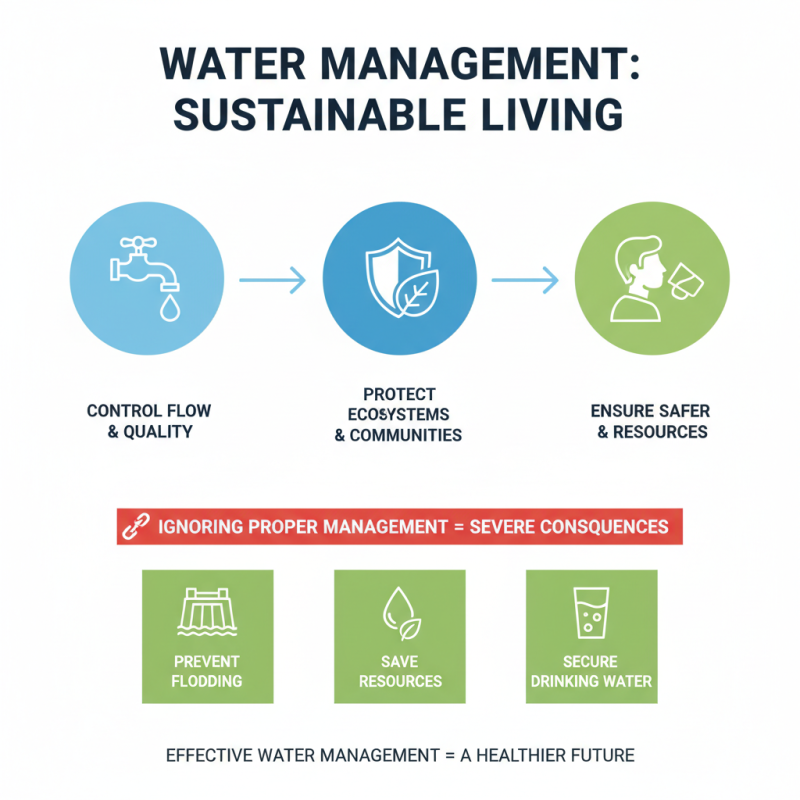
Water management is crucial for sustainable living. It involves controlling the flow and quality of water. Ignoring proper management can lead to severe consequences for ecosystems and communities. Effective water management helps prevent flooding, protects essential resources, and ensures safe drinking water.
A well-designed drainage system is one significant aspect of this management. Different systems, like surface and subsurface drainage, cater to various environments. Surface drainage relies on gravity to transport excess water away. Subsurface systems involve pipes buried below the surface, collecting unwanted water at its source. Each system has strengths and weaknesses, so careful consideration is essential.
While these methods provide solutions, they also have limitations. Poor design can worsen water accumulation. Maintenance issues may arise, leading to blockages. Understanding these challenges is vital for future improvements. By reflecting on our current approaches, we can better prepare for effective water management in the long run.
Key Concepts of Drainage Systems in Water Management
Effective drainage systems are crucial for managing water and preventing flooding. Proper design can mitigate soil erosion and improve water quality. According to a report from the Environmental Protection Agency, improper drainage leads to 75% of urban flooding incidents. This highlights the need for efficient systems.
A well-implemented drainage system includes various types, such as surface and subsurface systems. Surface drainage channels direct water flow away from structures. Subsurface systems, like perforated pipes, help manage groundwater levels. Data show that cities adopting both types see a decrease in flood damage by up to 40%.
Many municipalities still struggle with outdated systems that fail to adapt. Aging infrastructure can exacerbate water management challenges. Communities need to invest in modern technologies and innovative solutions. For example, rain gardens and bioswales can effectively absorb runoff. However, not all areas can implement these solutions easily. Each locality must evaluate its unique needs carefully.
Top Types of Drainage Systems for Effective Water Management
| Drainage Type |
Description |
Advantages |
Common Uses |
| Surface Drainage |
System designed to remove excess water from the surface of the ground. |
Cost-effective, easy to maintain. |
Parks, roads, agricultural fields. |
| Subsurface Drainage |
Involves buried pipes or tiles that collect water from soil. |
Prevents waterlogging, improves soil health. |
Agricultural lands, golf courses. |
| French Drains |
A trench filled with gravel that redirects surface and groundwater away from an area. |
Effective in managing excess water, easy installation. |
Around foundations, in gardens. |
| Stormwater Drains |
Specifically designed to manage and redirect rainwater. |
Reduces flooding risk, protects water quality. |
Urban areas, commercial sites. |
| Sump Pumps |
Used to remove water that has accumulated in a water-collecting sump basin. |
Effective in lowering water table, prevents basement flooding. |
Basements, crawl spaces. |
Types of Drainage Systems: Surface vs. Subsurface
Effective water management is crucial, especially in urban areas. Drainage systems play a vital role in managing excess water. Two main types are surface drainage and subsurface drainage. Each has unique benefits and drawbacks.
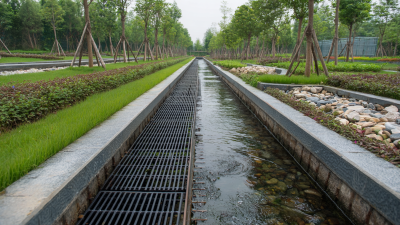
Surface drainage systems collect water from the surface. They often include ditches or channels. These systems work well in flat areas. However, they can require more maintenance and may not handle heavy rainfall efficiently. According to a recent industry report, surface systems can reduce flooding risks by up to 40%. But, they might also lead to soil erosion if not designed properly.
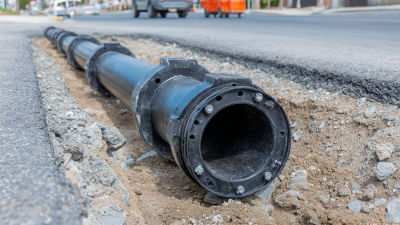
Subsurface drainage involves installing pipes beneath the ground. These systems help to remove excess water from the soil. They prevent waterlogging, which is essential for crop growth. Some studies show that proper subsurface drainage can enhance agricultural yields by 20%. Regardless, they can be expensive to install and may require periodic maintenance.
Tips: Always analyze your local climate when choosing a system. Different environments require different approaches. Maintenance is key. Regular checks can save money. Water management is a challenging task. Consider both types and their suitability for your specific needs.
Top Types of Drainage Systems for Effective Water Management
Surface drainage systems are effective for managing runoff and preventing waterlogging, scoring 85 points. In contrast, subsurface drainage systems excel at removing excess water from the soil, achieving a higher effectiveness score of 90 points.
Benefits of Effective Drainage Systems for Urban Areas
Effective drainage systems are vital for urban areas. They manage stormwater and prevent flooding. When rain falls, water needs a quick way to flow away from streets and buildings. A well-designed drainage system enhances resilience against extreme weather events.
There are clear benefits to consider. Improved drainage systems reduce water accumulation. This directly decreases the risk of property damage. Streets remain safer for pedestrians and vehicles. However, many urban areas still struggle with outdated systems. Debris and blockages can hinder performance. Regular maintenance is crucial but often overlooked.
Local ecosystems also benefit from effective drainage. Proper water management nurtures green spaces. It supports local wildlife and maintains natural water cycles. Yet, many cities fail to integrate these systems with their environment. As urbanization continues, thoughtful drainage approaches become increasingly necessary. Developing sustainable solutions should be a priority for urban planners.
Innovations in Drainage Technology for Sustainable Solutions
Innovations in drainage technology are crucial for addressing water management challenges. Advanced materials are being developed to enhance the durability and efficiency of drainage systems. For example, porous concrete allows water to seep through, minimizing surface runoff. This is a significant shift toward more sustainable practices.
Smart drainage solutions are emerging, incorporating sensors for real-time monitoring. These systems can detect blockages or overflow, alerting maintenance teams quickly. While this technology is promising, there are still hurdles in implementation. Costs can be high, and not all communities have access to these advancements.
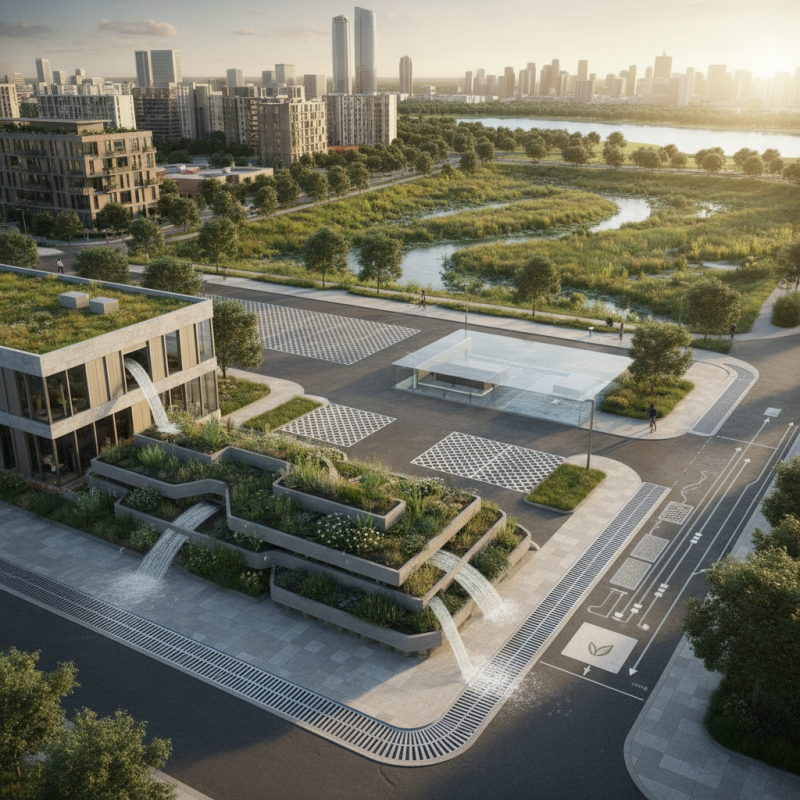
Integration of green infrastructure is another trend. Bioretention systems and swales capture stormwater effectively. However, public awareness and acceptance may lag behind these innovative designs. It's essential to educate communities on their benefits and functionality. Building trust will ensure these solutions succeed.