Top 5 Water Drainage Systems You Should Consider Today?

When it comes to managing water flow, choosing the right water drainage system is vital. Proper drainage prevents water accumulation, protecting your property from damage. A well-designed system can enhance landscaping and improve soil health. However, selecting the right option can be overwhelming.

Various drainage systems exist, each with unique benefits. Some are efficient in urban settings, while others work better in rural areas. Understanding your specific needs is crucial. It involves assessing soil type, climate, and property layout. Remember, a poorly chosen system may lead to headaches later on.

Investing in a reliable water drainage system can save money and time. Yet, it is essential to consider potential issues. Some systems may require regular maintenance, which can be a burden. Reflecting on these matters will guide you in making an informed decision.
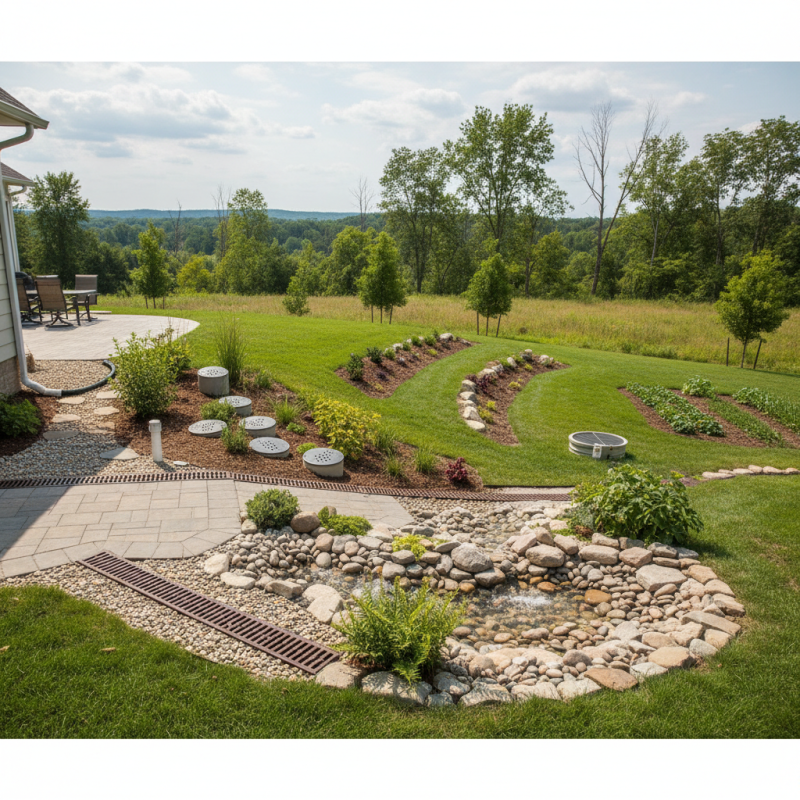
Top 5 Water Drainage Systems You Should Consider Today?

Understanding the Importance of Effective Water Drainage Systems

Top 5 Water Drainage Systems You Should Consider Today?

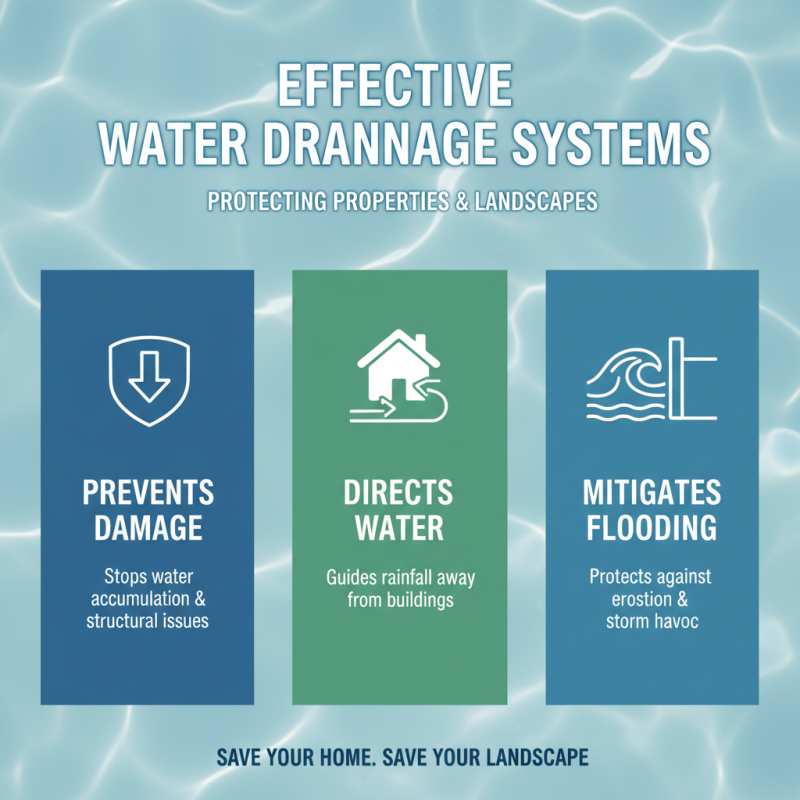
Effective water drainage systems play a vital role in safeguarding properties from damage. Poor drainage can lead to water accumulation, which might cause structural issues over time. When rainfall occurs, a competent drainage system directs water away from buildings and landscapes, preventing flooding and erosion. Without such systems, even minor storms can wreak havoc.

It’s essential to understand the different types of drainage options available. Each system serves specific purposes and varies in effectiveness. For example, surface drains work well in flat areas, while subsurface drains help in locations with heavy clay soil. Property owners should carefully assess their environment before deciding on a drainage system. Ignoring this can lead to expensive repairs later.

Water drainage planning involves challenges. Choosing the right system requires knowledge and expertise. Many people underestimate the impact of localized factors, such as soil type and rainfall patterns. Therefore, it might be beneficial to consult with experts in the field. Their insights may reveal unexpected issues and solutions tailored to individual properties. Neglecting proper drainage strategy can have long-term repercussions, affecting not only the property but also the surrounding ecosystem.
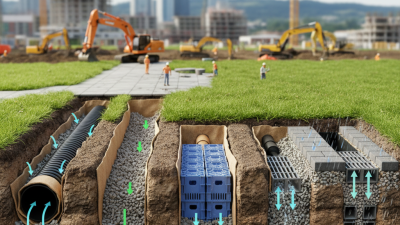

Overview of Different Types of Water Drainage Systems

Water drainage systems play a crucial role in preventing flooding and managing rainwater. An effective system redirects water away from structures, minimizing damage and maintaining structural integrity. There are several types of drainage systems to consider, including surface, subsurface, French drains, channel drains, and dry wells.

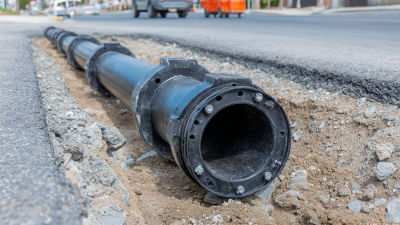
Surface drainage systems rely on gravity to move water over the ground. They often use ditches or swales. Reports indicate that improper surface drainage can lead to significant property damage, costing homeowners thousands annually. Subsurface drainage systems, on the other hand, involve buried pipes that remove water from below the surface. According to the American Society of Civil Engineers, poorly designed subsurface systems can cause soil erosion, impacting crop yield.

Tips: Always design your system considering local rainfall patterns. Regular maintenance is essential for prolonging the life of drainage systems. Monitor for blockages to ensure proper flow.

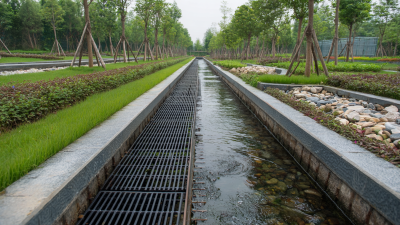
Channel drains are often used in driveways and patios. They collect surface water and direct it away from building foundations. While effective, they can be susceptible to clogs, requiring regular cleaning. Dry wells, intended for stormwater management, are designed to store excess water slowly. Their effectiveness depends on soil conditions; improper installation may lead to groundwater contamination.

Top 5 Water Drainage Systems You Should Consider Today

Drainage System Type Description Advantages Disadvantages Ideal Use
French Drain A trench filled with gravel or rock containing a perforated pipe that redirects surface and groundwater. Effective at reducing water accumulation, simple installation. Can get clogged with time, requires periodic maintenance. Areas with poor drainage, around foundations.
Channel Drain A linear drainage system that allows water to flow into a trench drain that is set into the ground. Highly effective for surface water, modern aesthetic. Installation can be costly, requires a slight slope for proper drainage. Driveways, patios, and walkways.
Catch Basin A receptacle that collects runoff and allows debris to settle before water is directed to a drain. Reduces blockage in drainage systems, simple to clean. Requires regular maintenance, can overflow if not properly managed. Parking lots and low-lying areas.
Sump Pump A pump used to remove accumulated water from a sump basin, commonly found in the basements of homes. Effective in preventing basement flooding, automatic operation. Dependent on electricity, requires maintenance. Basements in flood-prone areas.
Green Roofs A vegetative layer grown on a rooftop that helps absorb rainfall and reduce runoff. Improves insulation, reduces urban heat, promotes biodiversity. Higher installation costs, ongoing maintenance needed. Commercial buildings and eco-friendly designs.

Key Factors to Consider When Choosing a Drainage System

When selecting a drainage system, several key factors come into play. First, consider the type of soil in your area. Sandy soil drains quickly, while clay retains water. Understanding these properties can guide your choice. For instance, if you have clay soil, a more efficient drainage system might be necessary.

Another essential factor is the size of your property. Larger areas require more extensive systems to manage water effectively. A well-planned layout can prevent flooding. Also, think about the climate. Frequently heavy rains demand robust systems, while drier areas may require simpler solutions.

Tips: Evaluate your local weather patterns. They greatly influence drainage needs. Consult with professionals for personalized recommendations. Engage with local homeowners about their experiences. This practical feedback can steer your decision-making process, ensuring a reliable drainage solution.

Top 5 Recommended Water Drainage Systems for Homeowners

When considering effective water drainage systems, homeowners should prioritize reliability and efficiency. According to industry reports, improper drainage contributes to 70% of foundation issues. This statistic highlights the importance of selecting the right drainage solution.

French drains are a popular choice due to their ability to redirect water away from foundations. They involve digging a trench, filling it with gravel, and placing a perforated pipe at the bottom. This simple yet effective design helps manage surface and groundwater. However, homeowners must ensure proper installation and maintenance to avoid clogs.

Another option is driveway drains. These are designed to collect rainwater runoff from driveways and divert it. A well-designed system can prevent erosion and water pooling. Yet, many homeowners overlook the need for regular cleaning to ensure their system remains functional. This neglect can lead to costly repairs down the line. Proper planning and professional advice play essential roles in creating a robust drainage strategy.

Maintenance Tips for Long-lasting Water Drainage Solutions

Maintaining an efficient water drainage system is crucial for any property. Regular inspections can identify small issues before they become major problems. A 2022 report by the American Society of Civil Engineers highlights that improper drainage leads to over $10 billion in damages annually. Ensuring your drainage system functions correctly can save significant financial resources.

Cleaning gutters and downspouts is essential. It’s recommended to do this at least twice a year. Clogged gutters can cause water to pool, leading to foundation issues. Routine maintenance not only extends the lifespan of the system but also reduces the risk of costly repairs. Consider using a leaf guard, which can significantly decrease debris buildup and maintenance frequency.

Proper grading around your property is another vital aspect. Ensure your land slopes away from your foundations. This simple step can prevent excess water accumulation. A study from the National Association of Home Builders states that proper grading can enhance property value by up to 15%. Skipping this can lead to drainage failures, offering more chances for problems to arise and linger. Even small lapses in maintenance can result in significant and lasting effects.

Top 5 Water Drainage Systems You Should Consider Today