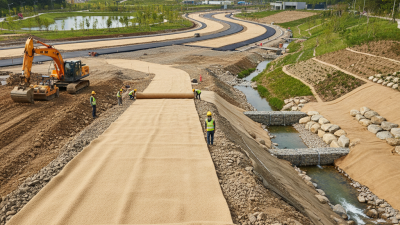
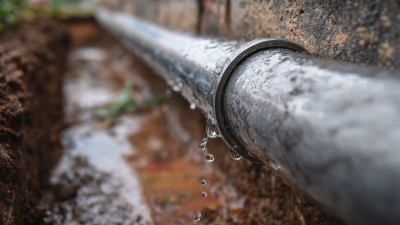
China’s water drainage system manufacturers are increasingly important as cities expand, rainfall patterns shift, and infrastructure faces heavier demands. UN DESA’s World Urbanization Prospects 2022 estimates that 56% of the world’s population lived in urban areas in 2021; it projects 68% by 2050. More paved surfaces mean less room for rainwater to soak into the ground. The IPCC’s Sixth Assessment Report also finds that heavy precipitation has become more intense in many regions and is projected to intensify further as warming increases. These findings make drainage design a practical resilience issue, not just a construction detail.
For buyers comparing Chinese manufacturers, the useful questions are specific. Can the supplier document material and load-test performance? Are pipe dimensions, joint designs, and inspection records clearly stated? Can the system handle local rainfall, soil conditions, and maintenance needs? Professor Robert Pitt, a recognized stormwater researcher, has studied runoff control and treatment for decades. In paraphrase of his research, a sound principle is to manage runoff near where it falls, rather than simply sending it downstream. That distinction matters.
No catalog tells the whole story. A channel that performs well in a factory test may still fail if installation, access, or upkeep is overlooked. This guide introduces leading water drainage system manufacturers in China and the products they offer. It also considers evidence buyers can check, from technical specifications to project experience. The comparisons are a starting point, not a substitute for site-specific engineering review.
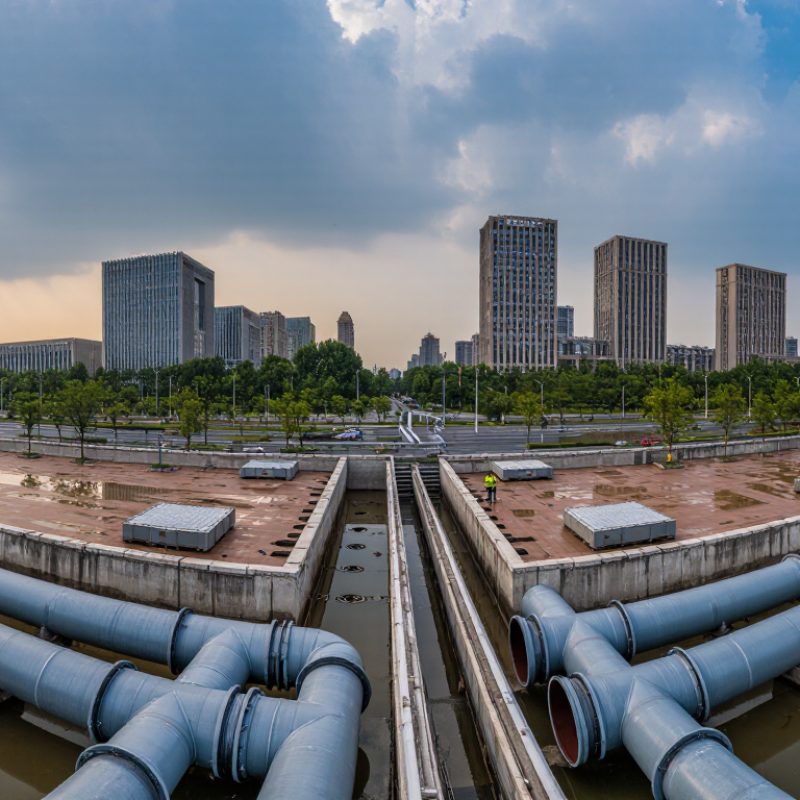
Water drainage systems guide excess water away from buildings, roads, and landscaped areas. Surface systems use channels, trench drains, and grates to collect runoff. Subsurface systems rely on perforated pipes, often surrounded by gravel and filter fabric, to manage water below ground. Roof drainage uses gutters, downpipes, and outlets to move rainwater off structures. Small details matter. Catch basins trap sediment, while inspection chambers provide access for cleaning and checks. The right layout depends on rainfall, soil conditions, ground slope, and expected traffic loads.
These systems serve parking areas, streets, industrial yards, gardens, and building foundations. In a paved loading area, for example, channel drains may collect water before it reaches doorways. Pipe size and gradient should match site conditions; a shallow slope can leave standing water, while poor placement may redirect runoff toward a wall. Debris builds fast. Screens can help, but they do not replace routine maintenance. After heavy rain, check grates, outlets, and visible joints for blockages or damage. No system is maintenance-free. Designers sometimes underestimate how leaves and grit behave in real conditions, so access for cleaning deserves careful attention.

China’s water drainage manufacturing industry serves projects ranging from residential streets to industrial facilities. Its producers make pipes, channels, manhole covers, and modular drainage units using materials such as concrete, ductile iron, and polymer composites. The right choice depends on load, soil conditions, rainfall, and maintenance access—not just the product price.
Manufacturing quality shows in practical details. A channel’s grate should sit securely, while pipe joints need consistent dimensions to reduce installation problems. Buyers often review material specifications, production controls, and test records before comparing suppliers. Details matter. Factory capacity is useful, but it does not prove that every batch will meet the same standard. Clear inspection procedures help establish reliability.
The industry is also adapting to tighter urban spaces and heavier rain events. Some manufacturers offer modular systems that simplify transport and replacement, while others focus on made-to-order components. For project teams, drawings, installation guidance, and realistic lead times can matter as much as equipment. One weakness remains: product data may not fully reflect local site conditions. Engineers should check drainage calculations and site requirements independently before selecting a system.
An overview of common drainage product segments, materials, applications, and relevant standards
| Product Segment | Common Products | Typical Materials | Typical Applications | Relevant Chinese Standard Family | Key Purchasing Checks |
|---|---|---|---|---|---|
| Building drainage pipes | Pipes, elbows, tees, reducers, and other fittings | Unplasticized polyvinyl chloride (PVC-U) | Indoor soil and waste drainage in residential, commercial, and public buildings | GB/T 5836 series for PVC-U building drainage pipes and fittings | Nominal diameter, wall thickness, fitting compatibility, joint quality, and installation temperature limits |
| Cast-iron drainage systems | Drainage pipes, fittings, and couplings | Cast iron, commonly supplied with protective internal and external coatings | Building drainage where fire resistance, acoustic performance, or mechanical durability is important | GB/T 12772 for cast-iron drainage pipes and fittings | Pipe dimensions, coating condition, fitting compatibility, and the specified jointing system |
| Underground structured-wall pipes | Double-wall corrugated and other structured-wall pipes | High-density polyethylene (HDPE) or other specified polyethylene grades | Buried municipal stormwater and wastewater networks | GB/T 19472 series for buried polyethylene structured-wall piping systems | Ring stiffness class, diameter, joint sealing, installation conditions, and project design requirements |
| Solid-wall plastic drainage pipes | Pressure and non-pressure drainage pipes, bends, and connectors | HDPE, PVC-U, or polypropylene (PP), depending on the system and service conditions | Building services, site drainage, and selected buried drainage applications | Applicable product-specific GB/T standards and project specifications | Material grade, intended pressure or gravity service, temperature range, and compatible joining method |
| Drainage channels and gratings | Linear channel drains, outlet units, and removable grates | Polymer concrete, concrete, plastics, stainless steel, or ductile iron, depending on design | Roads, parking areas, landscaped spaces, pedestrian zones, and building entrances | Project specifications and applicable drainage, construction, and load-class requirements | Design flow, outlet arrangement, grate material, load class, and access for maintenance |
| Manholes and inspection chambers | Inspection chambers, manhole components, covers, and access units | Concrete, polymer materials, plastics, or composite materials | Access points for inspection, cleaning, and maintenance of drainage networks | Applicable manhole, inspection-chamber, and project-specific construction requirements | Load capacity, dimensions, connection sealing, cover compatibility, and access requirements |
Note: This table describes common product categories and standards used in China’s drainage industry. Actual specifications, certifications, and compliance requirements vary by product, application, and project; confirm them against current standards and approved project documents.
Choosing a drainage system manufacturer in China takes more than comparing unit prices. Check whether the company can explain its materials, production controls, and test methods clearly. Ask for data on pipe stiffness, joint design, flow capacity, and resistance to site-relevant corrosion or chemicals. A polished catalog is not proof. Request recent inspection records and sample test reports, then confirm that the figures match the products being quoted. Review how the system handles heavy rainfall, sediment, and maintenance access.
Tips: Compare two or more product samples side by side. Check wall thickness with a caliper, inspect joints for rough edges, and match dimensions to project drawings. Ask who performs testing and how rejected batches are handled. If practical, visit the factory to observe storage, labeling, and batch traceability. Small details matter. A visit is only a snapshot, not a guarantee.
Assess experience through comparable installations, not vague claims. Request references for projects with similar soil conditions, traffic loads, and drainage needs. See whether engineers can review drawings before production and respond clearly to specification changes. Put lead times, packaging, spare-part availability, and after-sales support in writing. Price matters, but a low-cost fitting that leaks beneath pavement can lead to expensive repairs. Some details are difficult to verify remotely, so record uncertainties and agree on inspection points before ordering.
Leading water drainage system manufacturers in China support municipal, industrial, and residential projects with pipes, channels, manholes, and stormwater components. The Ministry of Housing and Urban-Rural Development’s 2022 urban construction statistics reported about 914,000 kilometers of urban drainage pipelines nationwide.
That is substantial. It signals extensive infrastructure needs, but it does not rank manufacturers or prove product quality.
Experienced buyers look beyond catalog dimensions. They check pipe stiffness, joint sealing, corrosion resistance, hydraulic capacity, and compatibility with local soil and installation methods. For example, a drainage pipe beneath a busy road faces different loads than a channel beside a warehouse.
Ask suppliers for traceable test records and samples from the actual production line. On-site audits can reveal inconsistent wall thickness or weak packaging before delivery.
Not a ranking. Public data on factory-level defect rates and long-term field performance remains limited, so comparisons should be cautious.
A manufacturer’s production scale matters, but reliable drainage also depends on engineering support, clear specifications, and careful installation. Sometimes, that last part is overlooked.
For drainage systems, product standards should be clear before production begins. Buyers can ask for material specifications, dimensional tolerances, load ratings, and test reports. Requirements may vary by product type and destination market, so confirm the relevant criteria rather than relying on a general quality claim. Ask how grates, channels, and joints are checked for fit. A sample section can reveal uneven edges or a loose connection. Small details matter.
Customization is most useful when it solves a site condition. Share drawings, flow requirements, trench dimensions, and installation constraints early. Manufacturers may adjust channel lengths, outlet positions, grate patterns, or materials. Confirm every revision in an approved drawing; a verbal change can be missed. Some details still need compromise. A custom part may extend lead time or require a larger order, and that should be discussed plainly.
Export capability involves more than shipping a container. Request clear packing lists, product labels, installation documents, and export paperwork suited to the destination. Check how components are protected against movement and surface damage; a cracked channel can disrupt an installation. Ask about production timelines and inspection records, too. Even experienced suppliers can make errors, so independent checks are sensible. A missed measurement is expensive.