Top 10 Drainage Solutions for Effective Water Management?
Effective water management is crucial in today's rapidly changing environment. Proper drainage solutions not only prevent flooding but also enhance water quality. According to a recent report by the United Nations, 1.6 billion people face water scarcity. This increasing pressure necessitates innovative and effective drainage strategies.
Modern drainage solutions are essential for urban development. A study by the American Society of Civil Engineers highlights that inadequate drainage costs U.S. cities over $50 billion annually in flood damage. Implementing effective drainage systems can mitigate these expenses significantly. Moreover, they play a vital role in protecting ecosystems and maintaining biodiversity.
However, not all drainage solutions are perfect. Some methods may require frequent maintenance, leading to higher long-term costs. Additionally, misuse or poor implementation can lead to environmental degradation. It's crucial to assess the effectiveness and sustainability of each drainage solution carefully. Addressing these challenges will lead to better water management practices in the future.
Understanding the Importance of Effective Water Management
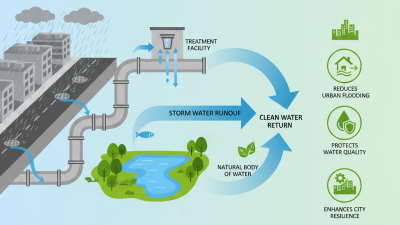
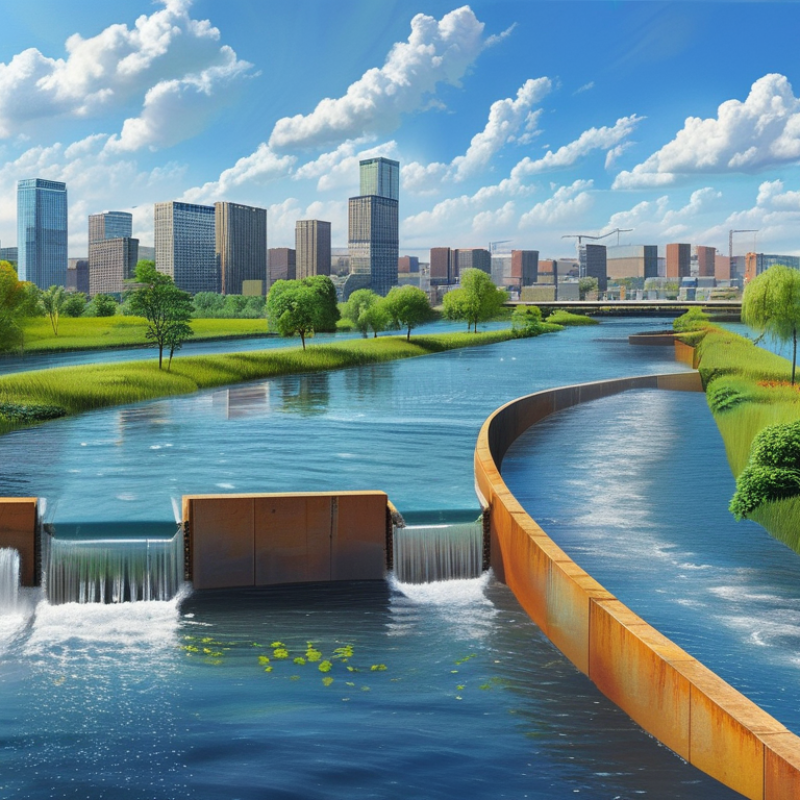
Effective water management is crucial for sustainability. Proper drainage solutions help control water flow, prevent flooding, and protect infrastructure. Many urban areas struggle with water management. Heavy rain can overwhelm drainage systems, leading to property damage. It's essential to analyze local conditions to choose the right approach.
Designing effective drainage systems requires knowledge and experience. Understanding soil types, local rainfall patterns, and land use is vital. For instance, permeable surfaces can reduce runoff in high-traffic areas. Vegetated swales can absorb rainfall and improve water quality. Innovative solutions, like rain gardens, can minimize excess water while creating attractive green spaces.
Yet, even the best systems face challenges. Maintenance is often overlooked, leading to blockages and reduced efficiency. Communities must commit to regular inspections and cleanings. Education plays a role too. Residents should understand their responsibility in managing water effectively. With greater awareness, improved practices can emerge, contributing to better water management outcomes.
Top 10 Drainage Solutions for Effective Water Management
Common Challenges in Drainage and Water Management Solutions
Effective water management faces several common challenges. Heavy rainfall can overwhelm drainage systems. This often leads to flooding and property damage. Poorly designed drainage can also cause soil erosion, affecting vegetation. Urban areas are particularly vulnerable to these issues. The rapid development often neglects the natural flow of water, increasing runoff.
Another challenge is the maintenance of existing drainage systems. Clogged drains lead to backup and decreased efficiency. It is essential to regularly inspect and clean these systems. Homeowners and municipalities must prioritize regular maintenance to prevent larger issues. Additionally, public awareness about proper waste disposal can help keep drains clear.
Climate change introduces further complexities. Extreme weather patterns can exceed the capacity of traditional drainage systems. Innovative solutions must adapt to these new realities. Rainwater harvesting and permeable pavements are examples of creative approaches. Communities need to embrace a multifaceted strategy for better water management. Implementing various solutions can lead to a more resilient infrastructure.
Top 10 Drainage Solutions for Effective Water Management
| Solution |
Description |
Effectiveness |
Maintenance Level |
| French Drains |
A trench filled with gravel that redirects surface water away from your foundation. |
High |
Low |
| Sump Pumps |
Pump system that prevents water accumulation in basements by pumping water out. |
Very High |
Medium |
| Dry Well |
An underground structure that collects and disperses water back into the ground. |
Moderate |
Medium |
| Rain Gardens |
Landscaped area that temporarily holds rainwater to promote absorption. |
High |
Low |
| Green Roofs |
Vegetated roof that absorbs rainwater and reduces runoff. |
High |
High |
| Permeable Pavement |
Pavement that allows water to pass through, reducing runoff. |
Moderate |
Medium |
| Swales |
Shallow, broad channels that convey and absorb stormwater. |
High |
Low |
| Catch Basins |
Structures that catch and filter debris from flowing water. |
High |
High |
| Retention Ponds |
Ponds designed to hold water and allow for gradual absorption. |
Very High |
High |
| Infiltration Trenches |
Excavated areas that collect and absorb stormwater. |
High |
Medium |
Top Innovative Drainage Technologies for Modern Applications
Effective water management is increasingly critical in urban development. Innovative drainage technologies play a significant role in addressing water challenges. Studies show that cities lose approximately 30% of their rainwater through inefficient drainage systems. New solutions aim to minimize this loss while enhancing sustainability.
One promising approach involves permeable pavement. This technology allows water to infiltrate through surfaces, reducing runoff. According to recent industry reports, cities implementing this can reduce stormwater runoff by up to 65%. Green roofs also contribute to water management. They absorb rainwater, preventing excess surface water. Research indicates that green roofs can capture about 80% of precipitation during summer months.
Another notable advancement is smart drainage systems. Utilizing sensors and data analytics, these systems optimize water flow in real-time. Reports suggest that cities adopting smart drainage can reduce flooding incidents by 40%. However, challenges remain in integrating these technologies. Resistance to change and high initial costs can hinder adoption. Continued investment in research and development is essential for overcoming these barriers and shaping a more resilient urban future.
Evaluating Cost-Effectiveness of Various Drainage Solutions
Effective water management is critical, especially in urban areas. Many solutions exist, but evaluating their cost-effectiveness is essential. According to the American Society of Civil Engineers, stormwater drainage systems can account for up to 40% of a municipality’s infrastructure costs. This statistic highlights the need for thorough financial analysis when selecting drainage options.
One method gaining attention is permeable pavement. Research from the National Oceanic and Atmospheric Administration suggests it can reduce stormwater runoff by as much as 50%. However, initial costs are higher than traditional materials. This raises questions about long-term sustainability. An investment in permeable pavement may be more effective in the long run, potentially leading to lower maintenance and repair costs.
Another solution is green roofs. A study by the Green Roofs for Healthy Cities Institute indicates these can lower urban heat and manage stormwater efficiently. Despite these benefits, installation costs can be prohibitive, ranging from $10 to $25 per square foot. Without a solid return on investment analysis, some stakeholders might hesitate to adopt such solutions. Addressing these uncertainties is crucial for adopting effective drainage strategies.
Best Practices for Implementing Drainage Systems in Urban Areas
Implementing effective drainage systems in urban areas is crucial for managing water efficiently. Cities often face challenges due to increased impervious surfaces. According to the Environmental Protection Agency, urban runoff can lead to significant flooding and water quality issues. In fact, about 55% of urban areas are affected by inadequate drainage systems. This can have severe consequences on infrastructure and ecosystems.
Integrated drainage solutions are essential. Green infrastructure, such as bioswales and permeable pavements, can significantly reduce runoff. A study published by the American Society of Civil Engineers highlights that these methods can decrease stormwater runoff by up to 50%. However, one must consider their maintenance. Without proper upkeep, these systems can become ineffective.
Collaboration between city planners and environmental engineers is vital. They must assess local hydrology and tailor drainage solutions accordingly. Sometimes, existing infrastructures may not be compatible with new systems. This can create unforeseen challenges. Striking a balance between innovation and practicality is necessary for true effectiveness. Urban areas should embrace adaptable practices while remaining aware of their limitations.