Top Solar Panels Supplier Guide for Homeowners Choosing the Best?
Choosing the right solar panels supplier is crucial for homeowners making a significant investment. With so many options available, the process can feel overwhelming. Not every supplier offers the same quality, warranties, or customer service. It’s essential to evaluate your needs carefully before making a decision.
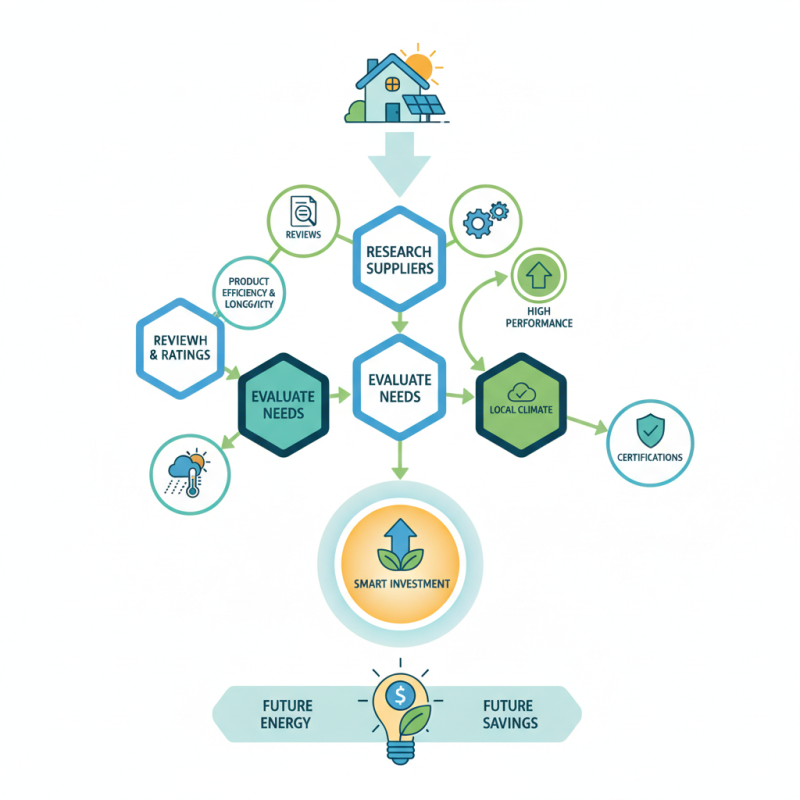
Consider factors like product efficiency and longevity. Some suppliers may have attractive prices but compromise on performance. Homeowners should also research supplier reviews and ratings. This information can reveal potential issues and highlight reliable companies. The right supplier can make a world of difference, while the wrong one may lead to regrets.
Think about your local climate when selecting a supplier. Different panels perform differently in various conditions. It's also wise to check for certifications. A reputable solar panels supplier will have the necessary endorsements. Engaging in this research process might seem tedious, but it ensures a smart investment for your future energy needs.
Understanding Solar Panel Types: Monocrystalline, Polycrystalline, and Thin-Film
When choosing solar panels, understanding the types is crucial. Homeowners often compare monocrystalline, polycrystalline, and thin-film solar panels. Each type has unique characteristics and efficiency levels. Monocrystalline panels are known for their high efficiency, typically around 15-20%. They are made from a single crystal structure, which allows for greater electricity generation.
On the other hand, polycrystalline panels are slightly less efficient, usually between 13-16%. The manufacturing process involves melting multiple silicon crystals together, which impacts their performance. While they are typically more affordable, they occupy more space for the same energy output. Thin-film solar panels, while lightweight and flexible, often have the lowest efficiency, ranging from 10-12%. Their lower efficiency means more panels are needed to generate the same power.
Reflecting on the choices, one consideration is space. Homeowners with limited roof space may prefer high-efficiency panels. However, pricing plays a significant role in decision-making. A recent report from the Solar Energy Industries Association notes the cost gap between these types can influence overall investment return. Buyers should carefully evaluate their specific needs and site conditions before making a final choice.
Top Solar Panels Supplier Guide for Homeowners Choosing the Best
| Solar Panel Type | Efficiency (%) | Lifespan (Years) | Cost ($/Watt) | Best For |
| Monocrystalline | 15-20% | 25-30 | 0.70-1.00 | Residential rooftop installations |
| Polycrystalline | 13-16% | 20-25 | 0.60-0.90 | Budget-conscious homeowners |
| Thin-Film | 10-12% | 10-20 | 0.50-0.70 | Large scale projects or unique installations |
Key Factors for Selecting a Solar Panel Supplier: Efficiency, Warranty, and Cost
Choosing the right solar panel supplier is crucial. Homeowners should focus on three key factors: efficiency, warranty, and cost. Efficiency is often measured by how much sunlight a panel can convert into electricity. According to the National Renewable Energy Laboratory, the most efficient panels convert over 22% of sunlight. Higher efficiency means more energy production, which can lead to significant savings over time.
Warranties are equally important. The typical warranty period for solar panels is around 25 years. However, you might find discrepancies in what is covered. Some warranties focus on product defects, while others cover performance. A study by PV Tech found that 10% of panels underperform after a decade. Understanding warranty specifics can save homeowners from future headaches.
Cost cannot be overlooked. While rooftop solar installations might cost between $15,000 and $25,000, costs vary across regions. A lower initial cost sometimes leads to poor-quality panels. Consumers often have to balance upfront investments against long-term savings. Analyzing the total cost of ownership over the panel's lifespan may provide clearer insights. Such reflections can be essential for making informed decisions in a competitive market.
Evaluating Supplier Reputation: Customer Reviews and Industry Certifications
When selecting a solar panel supplier, evaluating reputation is crucial. Customer reviews provide insight into experiences. Look for patterns in feedback. High ratings may indicate reliability. However, be wary of overly positive reviews. They can be misleading. A few negative reviews can reveal potential issues. Analyze how companies respond to criticism. This reflects their customer service approach.
Industry certifications are essential as well. They demonstrate adherence to safety and quality standards. Check if the supplier holds relevant certifications. Not all certifications are equal. Understand what they signify. Some may be more respected than others. Look for certifications from recognized organizations. These can enhance trust in the product quality.
Before making a decision, gather enough information. Visit online forums and social media. Engage with past customers. This interaction may reveal hidden strengths or weaknesses. Sometimes, what seems good on paper doesn't translate well in reality. Be thorough in your research. This step is critical for a successful purchase.
The Importance of Energy Output Rating: How to Compare Panel Performance
When selecting solar panels, many homeowners overlook the importance of energy output ratings. This metric reveals how efficiently a panel converts sunlight into electricity. According to the National Renewable Energy Laboratory, high-efficiency panels can produce over 20% more energy than standard models. This significant difference can lead to substantial long-term savings.
**Tip:** Check the panel’s efficiency rating. A higher rating signals better performance, even on cloudy days.
Comparing performance across different panels can be tricky. Some panels may have similar wattage but differing production rates. For example, panels rated at 250 watts may generate varying energy output based on efficiency. Homeowners should also consider temperature coefficients. Panels with a low temperature coefficient perform better in high heat.
**Tip:** Look for panels that maintain efficiency in hot weather. This is crucial for optimizing your investment.
Reflect on your energy needs. A panel that seems powerful may not suit your home’s configuration. Installation considerations, such as angle and shading from trees or buildings, can affect performance. Prioritize thorough research before making a decision. Each home is unique, and the ideal solar solution must match those specific circumstances.
Energy Output Rating Comparison of Solar Panels
Understanding Installation and Maintenance: Long-Term Considerations for Homeowners
Installing solar panels is a significant investment for homeowners. Understanding installation is crucial. Proper assessment of your roof is the first step. Not all roofs are ideal for solar setups. Some may have shading issues or structural concerns. Engage a professional to evaluate your home.
Maintenance is another important consideration. Solar panels require minimal upkeep, but they aren’t maintenance-free. Regular cleaning can enhance efficiency. Dust, leaves, and dirt can accumulate. It’s easy to overlook these details. Homeowners must remember that neglecting these aspects can lead to lower performance.
Additionally, homeowners should consider long-term durability. Solar technology has improved, but panels can still degrade over time. Understanding warranties and replacement costs is critical. This knowledge helps in budgeting for the future. Be aware that environmental factors can affect lifespan. Regularly monitoring system performance offers insight into potential issues.