How to Choose the Best Forklift Collision Detection System?
In today's fast-paced warehouse environments, the safety of workers and equipment is paramount. According to the Occupational Safety and Health Administration (OSHA), forklift accidents account for about 20% of workplace fatalities. This alarming statistic highlights the need for effective safety solutions, specifically Forklift Collision Detection Systems. These systems can significantly reduce the risk of collisions, thus ensuring a safer workplace.
Choosing the right Forklift Collision Detection System is essential for any operation relying on forklifts. With various models and technologies available, it is crucial to assess their effectiveness and reliability. Industry reports suggest that the implementation of such systems can lower accident rates by up to 30%. This statistic is compelling but raises questions about effectiveness in specific settings.
While many systems offer advanced features, not all may suit every operation. Evaluating factors like installation requirements and maintenance costs can be challenging. It's also important to consider employee training to maximize the system's potential. Ultimately, investing in a top-tier Forklift Collision Detection System not only enhances safety but also promotes a culture of responsibility and awareness in the workplace.
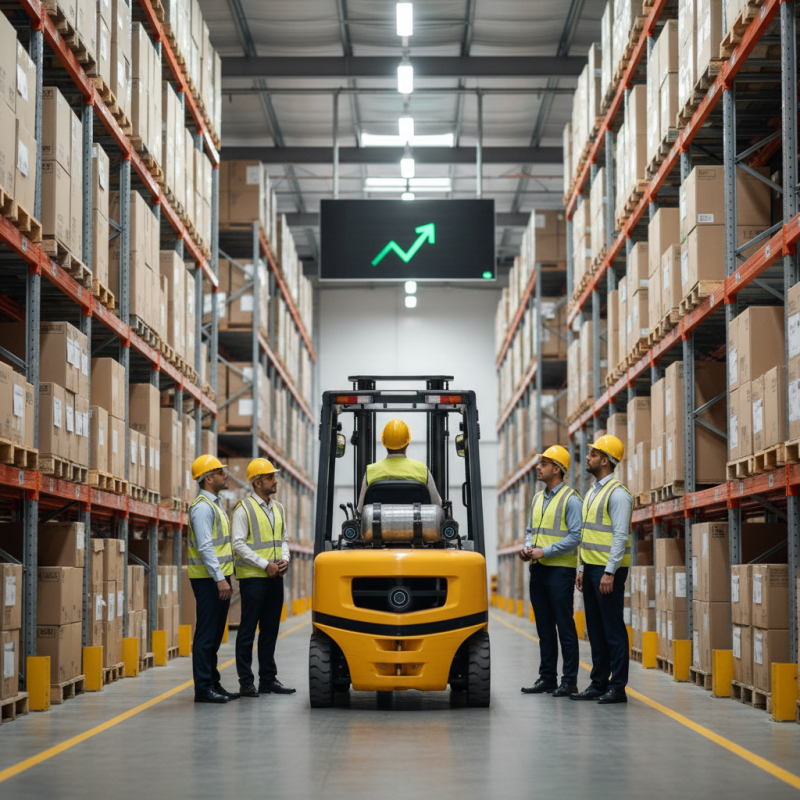
Understanding Forklift Collision Detection Systems
Forklift collision detection systems are crucial for enhancing safety in warehouses and industrial settings. These systems use various technologies to prevent accidents and protect workers. They often integrate sensors, cameras, and alarms to detect potential collisions. When a forklift approaches a pedestrian or an obstacle, the system alerts the operator. This immediate feedback can prevent injuries and property damage.
Understanding how these systems work is essential for making informed decisions. Many detection systems operate using proximity sensors or radar technology. Some systems may rely solely on cameras, with software analyzing video feeds for potential hazards. While these technologies are powerful, they are not infallible. False alarms can occur, leading to operator desensitization. Additionally, reliance on automation may create complacency among workers.
Considering the variability in operational environments is important. Different facilities have unique layouts and traffic patterns. A one-size-fits-all system may not be effective in every case. Evaluating the specific needs of your workspace is vital. Collaboration with safety experts can help in selecting the most suitable solution. Remember, the most advanced system is only as good as the training provided to its users.
Key Features to Consider in Collision Detection Technology
When selecting a forklift collision detection system, it's essential to focus on key features that ensure safety and efficiency. Effective collision detection relies heavily on sensors. These sensors should be capable of detecting objects in various environments. Performance can dramatically vary based on the sensor technology used. Consider systems that utilize both ultrasonic and LiDAR sensors. They offer distinct advantages in tracking object movement and ensuring accurate detection in busy warehouses.
Another crucial feature is the response time of the system. A delay of even a second can lead to accidents. Look for systems that provide real-time alerts. Immediate feedback to operators helps in preventing collisions before they happen. Additionally, user-friendly interfaces are vital. Operators must quickly understand alerts to react appropriately. Systems should also integrate with other safety measures in the workplace.
Moreover, consider the system's adaptability. As warehouse layouts and processes change, the detection system should adjust accordingly. Some sensors struggle when in crowded areas. A system that requires regular updates or calibration may add unnecessary complexity. Regular maintenance is another point for reflection. Even the best technology needs care to function optimally. Assess these factors to make an informed choice.
Evaluating the Accuracy and Reliability of Detection Systems
Evaluating the accuracy and reliability of forklift collision detection systems is crucial for enhancing workplace safety. These systems rely on advanced sensors and algorithms to detect obstacles, ensuring operators are alerted before collisions occur. Accuracy is key; a system must identify potential hazards with precision to be effective. Inaccurate readings can lead to accidents.
Reliability is another critical factor. A system should consistently perform well under varying conditions, such as changes in lighting or weather. Regular maintenance and testing can prevent malfunctions. It's essential to consider how a system responds in real-world settings. Some systems may excel in ideal conditions but fail under stress.
Real feedback from users can offer valuable insights into a system’s performance. Discussing experiences helps highlight strengths and weaknesses. The goal is to find solutions that reduce risk while promoting efficiency. Evaluating features like range, detection speed, and user interface can reveal a system's true capabilities. Seek information from trusted sources to make an informed decision.
Forklift Collision Detection System Accuracy and Reliability Evaluation
This chart illustrates the accuracy and reliability ratings of various forklift collision detection systems based on extensive evaluations. The data is represented in a bar chart format, showcasing how different systems perform in real-world conditions.
Cost Analysis: Budgeting for a Collision Detection System
When budgeting for a forklift collision detection system, consider your operational needs. Industry reports indicate that accidents involving forklifts cause significant losses annually. In 2020, the U.S. reported over 67,000 injuries related to forklift operations. Investing in a collision detection system can reduce these incidents.
Cost is a crucial factor. Basic systems might start around $2,000, but advanced setups can exceed $20,000. This price variation is influenced by technology features. Some systems offer alerts and automatic stoppage, increasing their effectiveness. However, the return on investment should be analyzed. A costly system may justify itself through reduced accidents and insurance costs.
Evaluating ongoing costs is also essential. Maintenance and software updates can add to the initial expense. Some facilities overlook these factors. Additionally, employee training on the new system will require time and resources. Proper implementation can lead to long-term savings, but the short-term impact should be scrutinized. Be wary of hidden costs that may arise.
How to Choose the Best Forklift Collision Detection System? - Cost Analysis: Budgeting for a Collision Detection System
| System Type | Initial Cost (USD) | Maintenance Cost (Annual) | Features | ROI (Estimated years) |
| Ultrasonic Sensors | $5,000 | $500 | Basic proximity detection | 2 |
| LiDAR Systems | $15,000 | $1,200 | High precision mapping and obstacle detection | 3 |
| Camera-Based Systems | $10,000 | $800 | Visual recognition and zone entry alerts | 4 |
| RFID Systems | $7,500 | $600 | Collision warning for tagged objects | 3 |
Installation and Maintenance Considerations for Detection Systems
When installing a forklift collision detection system, careful consideration is crucial. Efficient placement of sensors greatly influences performance. Mount sensors at strategic locations to maximize their effectiveness. This ensures they accurately detect nearby obstacles and moving objects.
Regularly review sensor functionality and placement to adapt to changing warehouse layouts.
Maintenance is equally important. Schedule routine checks to guarantee that all components are operational. This includes cleaning sensors and updating software. A malfunctioning system can lead to serious incidents. Ensure staff is trained on the specifics of the system to promote proper use.
Reflection on current practices can reveal areas for improvement. Ask questions about the training provided and how often maintenance occurs. Are the sensors still suitable for the environment? Continuous evaluation helps keep the detection system reliable and effective. A proactive approach fosters a safer working environment.