China Best Drain Pipe Fittings Manufacturers and Suppliers

Choosing reliable China best drain pipe fittings manufacturers and suppliers requires more than comparing catalog prices. Drain pipe fittings must match pipe materials, dimensions, pressure conditions, and installation environments. A fitting that looks precise may still leak after repeated temperature changes. Details matter.

Experienced buyers usually examine production capability, mold control, raw material traceability, and inspection procedures. They request samples before placing large orders. Practical checks include thread accuracy, socket depth, surface finish, wall thickness, and sealing performance. Factory audits can reveal whether equipment is maintained and whether testing records are genuine. Material certificates and quality reports also support responsible purchasing decisions.

China has many established manufacturers serving residential, commercial, and industrial drainage projects. Some specialize in PVC, PP, HDPE, stainless steel, or cast iron fittings. Others provide custom molds, packaging, and private-label services. However, supplier quality varies significantly. A polished website is not proof of reliable production. Fit is everything.

This guide introduces manufacturers and suppliers through a practical, evidence-based perspective. It considers product range, technical experience, quality management, communication, production capacity, and export support. It also highlights questions buyers should ask about tolerances, sample approval, lead times, and after-sales responsibility. No supplier is perfect. Even strong factories may struggle with unusual specifications or rushed schedules. Careful verification remains essential. By comparing real capabilities with project requirements, buyers can reduce installation problems and build more dependable supply relationships.
China Best Drain Pipe Fittings Manufacturers and Suppliers

What Are Drain Pipe Fittings and Why Are They Important?

Drain pipe fittings are the small components that connect, redirect, seal, and maintain a drainage system. Common examples include elbows, couplings, tees, traps, adapters, and cleanout fittings. Their purpose is simple: move wastewater safely while preventing leaks, odors, and blockages.

Their importance becomes clearer when infrastructure data is considered. The WHO and UNICEF Joint Monitoring Programme reported that 3.5 billion people lacked safely managed sanitation in 2022. Reliable drainage parts support cleaner and safer buildings. In addition, the U.S. EPA WaterSense program estimates that household leaks can waste nearly 1 trillion gallons of water annually. A poor connection may seem minor, but hidden moisture can damage walls, floors, and insulation. On site, installers often discover that alignment matters as much as material strength. A fitting can look perfect and still fail under movement or pressure. That lesson is easy to overlook.

Tips: Check pipe size, drainage direction, sealing surfaces, and access for cleaning. Select fittings with documented test data and suitable temperature ratings. Do not assume a cheaper fitting saves money. I have seen that assumption become an expensive repair. Manufacturers and suppliers should provide clear specifications, production traceability, and installation guidance. Their technical support also matters when projects involve tight spaces or unusual layouts.
Main Types of Drain Pipe Fittings Made in China

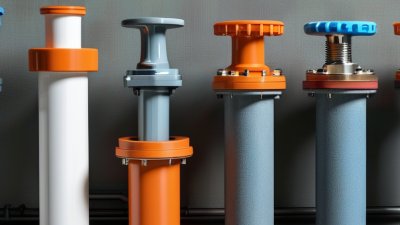
Chinese drain pipe fitting manufacturers and suppliers produce a broad range of components for residential, commercial, and industrial systems. Common types include P-traps, bottle traps, floor drains, cleanout fittings, couplings, reducers, and flexible connectors. Each serves a specific drainage problem, rather than simply joining pipes.

P-traps hold a small water seal and help block sewer odors. Bottle traps suit compact bathroom cabinets with limited clearance. Floor drains often include removable grates, sediment baskets, and adjustable frames. Cleanout fittings provide access when debris blocks a pipe.

PVC and PP fittings are lightweight and resist moisture, while stainless steel and cast iron offer greater strength in demanding locations. Material selection should match temperature, chemical exposure, and installation conditions.

During supplier evaluation, request dimensional drawings, wall-thickness data, pressure or leakage test records, and sample approvals.

Check socket depth carefully; a shallow connection may leak after movement or thermal expansion. Threads should engage smoothly without forced tightening.

Small defects matter. A fitting can look polished yet contain uneven molding or weak sealing surfaces.

Not every choice works. One practical mistake is judging quality by appearance alone. Batch inspection, traceable measurements, and installation trials provide more reliable evidence. Suppliers with clear inspection procedures usually communicate problems earlier, although occasional tolerance issues still deserve review before shipment.

Key Standards for Evaluating Chinese Manufacturers

China Best Drain Pipe Fittings Manufacturers and Suppliers

Key Standards for Evaluating Chinese Manufacturers

China’s plastics industry produced about 74.89 million tonnes of plastic products in 2023, according to the China Plastics Processing Industry Association. This scale creates strong sourcing options. It also makes factory differences easy to overlook. A reliable evaluation should begin with product standards, not catalogue size.

For PVC fittings, request evidence aligned with ISO 1452 or ASTM D2665, where applicable. PP drainage systems may require ISO 15874 or EN 1451 testing. Check dimensions, wall thickness, impact resistance, and joint performance. Ask for recent laboratory reports, not copied certificates. The report should identify the exact material grade and fitting batch. Traceability matters. Each carton should connect to production records, inspection results, and resin documentation.

Quality systems deserve equal attention. The ISO Survey 2023 recorded more than one million ISO 9001 certificates worldwide, so certification alone proves little. Review the certificate scope and audit validity. Visit the testing room if possible. Look for hydrostatic-pressure equipment, calibrated gauges, and controlled sampling. Ask how failed parts are isolated. Good factories can explain this clearly. Some cannot. That is a warning.

A practical supplier audit should compare three production batches. Measure socket depth, ovality, and sealing surfaces. Test fittings after temperature cycling when the project demands it. Request a corrective-action report for any defect. Factory experience helps, but documented evidence is stronger. Mistakes still happen. The real question is how quickly and transparently the manufacturer responds.

China Best Drain Pipe Fittings Manufacturers and Suppliers - Key Standards for Evaluating Chinese Manufacturers

Evaluation Dimension Objective Indicators Applicable Standards or References Evidence to Request Suggested Weight
Product Standard Compliance The fitting design, dimensions, material, marking and performance requirements match the destination-market standard. GB/T 5836.2 for building drainage PVC-U fittings; EN 1329-1 or ISO 3633 for internal soil and waste discharge systems; ASTM D2665 and ASTM D3311 for applicable North American PVC DWV products. Current product standard declaration, technical drawings, conformity reports and destination-market compliance documents. 20%
Material Quality and Consistency Stable resin or polymer composition, controlled additives, consistent color and reliable resistance to drainage chemicals and temperature conditions. The applicable PVC-U, PP, ABS or other material specification; ISO 1043-1 for plastics material identification may support material coding. Raw-material declarations, batch certificates, safety data sheets, incoming inspection records and independent material test reports. 15%
Dimensional Accuracy Socket depth, outside diameter, wall thickness, angles and connection geometry remain within the tolerances specified by the applicable product standard. Relevant national or international product standard, approved technical drawings and calibrated measurement procedures. Inspection plans, gauge calibration certificates, dimensional inspection reports and first-article approval records. 12%
Leak-Tightness and Functional Testing Fittings provide secure joints and remain watertight under the test conditions required for the intended drainage system. Testing method specified by the applicable product standard, project specification or plumbing code. Routine test records, type-test reports, joint compatibility results and samples tested by an independent laboratory where required. 12%
Quality Management System Documented control of purchasing, production, inspection, nonconforming products, corrective action and continual improvement. ISO 9001:2015 quality management system requirements. Valid certificate, certification scope, recent audit results, process-control documents and corrective-action records. 10%
Testing Laboratory Capability The factory can perform or arrange repeatable testing for dimensions, appearance, material properties and joint performance. ISO/IEC 17025:2017 for the competence of testing and calibration laboratories. Laboratory equipment list, calibration certificates, test procedures, technician records and reports showing test conditions and results. 8%
Production Capacity and Process Control Suitable injection-molding, extrusion or machining capacity; controlled tooling, production parameters and change management. Approved manufacturing procedures, customer specifications and documented process-control plans. Factory audit, equipment list, production-flow chart, capacity calculation, maintenance records and tooling-control records. 8%
Traceability and Marking Products can be traced from finished goods to production date, material batch, mold or tooling and inspection records. Applicable product-standard marking requirements and ISO 9001 documented-information controls. Sample markings, batch records, packing labels, production logs and a traceability demonstration during an audit. 5%
Environmental and Regulatory Management Controlled waste, energy use, emissions, restricted substances and environmental responsibilities relevant to the production site. ISO 14001:2015 environmental management systems; destination-market chemical and environmental regulations. Environmental certificate where applicable, compliance declarations, restricted-substance test reports and waste-disposal records. 5%
Export Support and After-Sales Control Accurate packaging, documentation, lead-time management, complaint handling and corrective-action response. Purchase contract, agreed inspection plan, Incoterms® rules and customer-specific documentation requirements. Packing specifications, shipping records, inspection procedures, complaint log, response-time policy and warranty terms. 5%
Total Suggested Evaluation Weight 100%

Note: The applicable standard should always be selected according to the fitting material, intended application, installation location and destination-market requirements. Certificates and test reports should be checked for validity, scope and product-model coverage.

How to Choose a Reliable Drain Pipe Fittings Supplier

China Best Drain Pipe Fittings Manufacturers and Suppliers

How to Choose a Reliable Drain Pipe Fittings Supplier

A reliable supplier should prove performance, not merely offer attractive prices. The WHO and UNICEF Joint Monitoring Programme reported that 3.5 billion people lacked safely managed sanitation in 2022. This highlights the importance of durable drainage infrastructure. Ask for material specifications, pressure-test results, dimensional records, and certificates linked to the actual production batch. Polypropylene, PVC, and ductile iron fittings require different testing methods. Confirm that the supplier follows the standards required in your destination market.

Experience matters during factory evaluation. Check mold maintenance, raw-material storage, wall-thickness control, and final inspection procedures. I have learned that a polished catalog proves very little. Production evidence matters more. Request samples from current stock, then compare sockets, seals, threads, and surface finish. A small mismatch can cause leakage after installation. The 2023 Global Construction Perspectives report also identifies quality control and supply-chain reliability as major construction risks.

Tips: Ask for three recent inspection reports, not one old certificate. Verify the testing laboratory independently. Review defect rates, corrective-action records, and replacement policies. Confirm lead times in writing, including tooling and peak-season delays. A supplier that answers technical questions clearly is usually easier to manage. Still, do not confuse confidence with competence. Conduct a video audit or arrange an independent inspection before placing a large order.

Production, Quality Control, and Customization Services

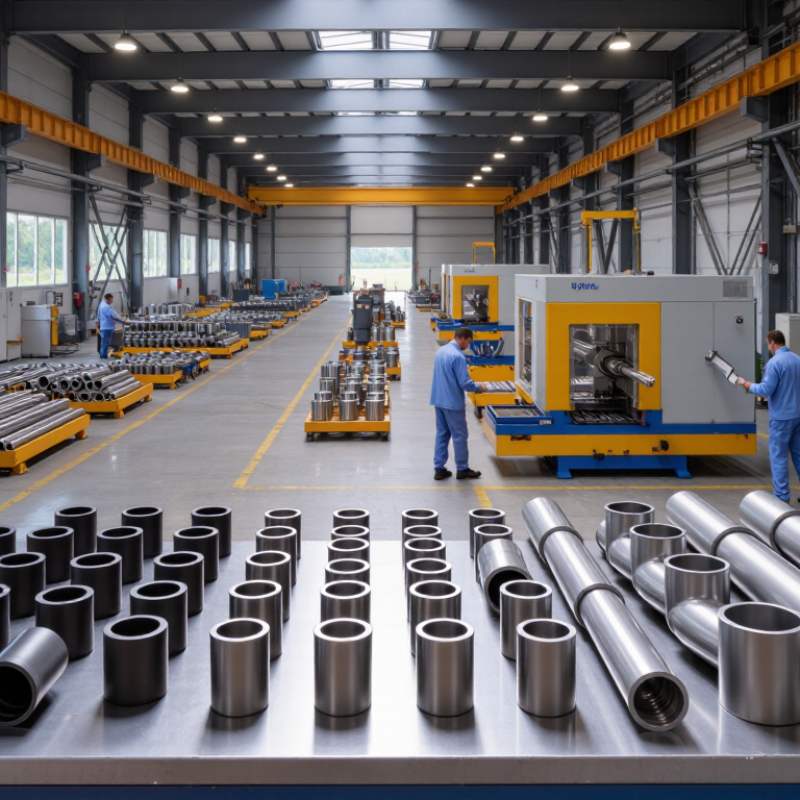
China’s drain pipe fittings manufacturers and suppliers support projects ranging from residential bathrooms to municipal drainage systems. Reliable production begins with suitable materials, controlled molding temperatures, and accurate tooling. Common options include PVC, HDPE, and polypropylene, depending on chemical exposure, drainage temperature, and installation conditions. Experienced factories inspect resin batches before processing. They also record machine settings for each production run.

Quality control should continue beyond visual inspection. Technicians measure socket depth, wall thickness, diameter, and dimensional tolerances with calibrated gauges. Samples may undergo leak, impact, pressure, and heat-resistance testing. Each carton should carry a traceable batch code, production date, and inspection record. Small defects can cause difficult site delays. A loose connection is rarely small in practice.

Customization services are valuable when standard fittings cannot match a project’s drawings. Suppliers can adjust angles, socket sizes, colors, markings, and packaging formats. Custom molds require clear technical files and realistic tolerance discussions. Prototype samples should be checked against actual pipes, not only digital models. This step often reveals installation problems early. Not every request deserves immediate approval. Some designs look efficient but weaken the fitting or increase mold maintenance. Honest suppliers should explain these limits and suggest safer alternatives. Communication remains imperfect, especially when measurements use different standards, so written specifications and signed sample approvals are essential.